



One page for four unrelated buyers
Someone booking a newspaper classified needs deadlines and rates; someone planning a hoarding campaign needs locations and durations. The single services page listed everything and answered nothing, so both left.
Newspaper, TV, radio and outdoor are four different buyers — one page was trying to serve all of them.
4
Category landing pages
Newspaper, TV, radio, outdoor
+83%
Enquiries per month
Five months after relaunch
+2.6x
Landing page conversion rate
Versus the old single services page
Named medium
On every enquiry
Sales knows the brief before calling
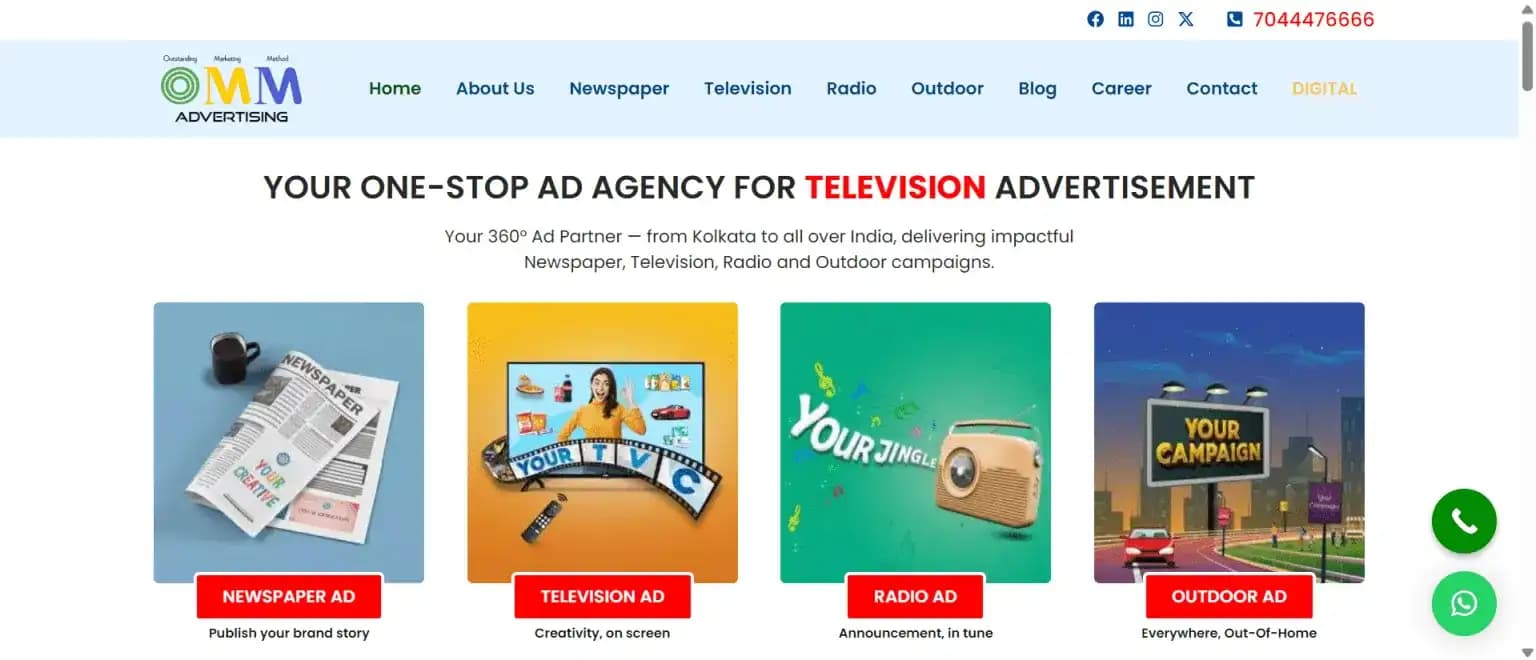
OMM Advertising books media across newspaper, television, radio and outdoor. A brand booking a classified obituary and a company planning a hoarding campaign have nothing in common except the vendor, yet both landed on the same general services page. We rebuilt the site with a landing page per medium, each with its own explanation, rate context and enquiry form, then pointed PPC at the matching page.
The gaps in OMM Advertising's setup before the project started — and what they were costing.
Someone booking a newspaper classified needs deadlines and rates; someone planning a hoarding campaign needs locations and durations. The single services page listed everything and answered nothing, so both left.
The generic contact form produced messages like 'need advertising details'. Every lead started with a discovery call just to learn which medium was meant, which slowed response and lost the impatient ones.
Ads for specific media searches landed on the home page, where the visitor had to hunt for what they came for. The clicks were paid for and then wasted at the door.
Each phase closed before the next one opened, so nothing was rebuilt twice.
Four categories, four different questions, four different urgencies. Newspaper is often deadline-driven; outdoor is planned weeks ahead. That difference shaped both the pages and the campaign structure.
Per medium: what can be booked, how pricing is structured, what the client must supply, and how long it takes. Enough to let a buyer self-qualify before speaking to anybody.
A WordPress build with a landing page per category, each with a form asking the questions that medium requires — publication and date for newspaper, location and duration for outdoor — so an enquiry arrives as a brief.
Campaigns split by medium, each landing on its own page, with conversion tracking per category so budget follows the media that actually produce bookings.
Newspaper, TV, radio and outdoor each get their own explanation, pricing basis and turnaround, instead of a list that serves nobody.
Each category form asks what that medium needs, so the first call from the sales team is about availability and rates rather than 'what were you looking for?'.
Every campaign lands on the page for its medium, which is most of why conversion rose about 2.6 times against the old single page.
Every tool here was picked for a reason — speed, reporting, or one less manual step.
Category pages and rate content the team edits
New campaign landing pages without developer time
Category-specific form handling and routing
Search campaigns split by medium
Per-category conversion tracking
Which categories generate bookings
The part that matters: what the business could do afterwards that it could not do before.
Enquiries are attributable to a medium, so it is clear which categories pay for their advertising and which do not — impossible when everything arrived through one form.
Because the brief arrives with the enquiry, quotes go out the same day. In deadline-driven media that speed frequently decides the order.
Clicks land on the page they were promised, so the same spend produces substantially more enquiries.
| Measure | Before | After |
|---|---|---|
| Landing structure | One services page | Four category pages |
| Enquiry content | 'Need advertising details' | Medium, dates and requirement |
| Monthly enquiries | Baseline | +83% over five months |
| Landing page conversion | Baseline | About 2.6x |
“Now the enquiry tells us the publication and the date. We quote the same day instead of spending a call finding out what they want.”
Rebuilt the site in WordPress with a landing page for each medium — newspaper, TV, radio and outdoor — carrying its own explanation, pricing basis and category-specific enquiry form, then ran PPC split by medium with per-category conversion tracking.
Because the four buyers want different information and move on different timelines. A page that tries to address all of them answers none of them well, and the enquiries it produces carry no brief.
Mostly the match between ad intent and landing page, plus forms that were relevant to what the visitor came for. Landing page conversion rose about 2.6 times against the old single page, which is where most of the 83% monthly increase came from.
Yes. Any business whose services attract genuinely different buyers benefits from category-wise pages and matched campaigns rather than one page carrying everything.
 Education
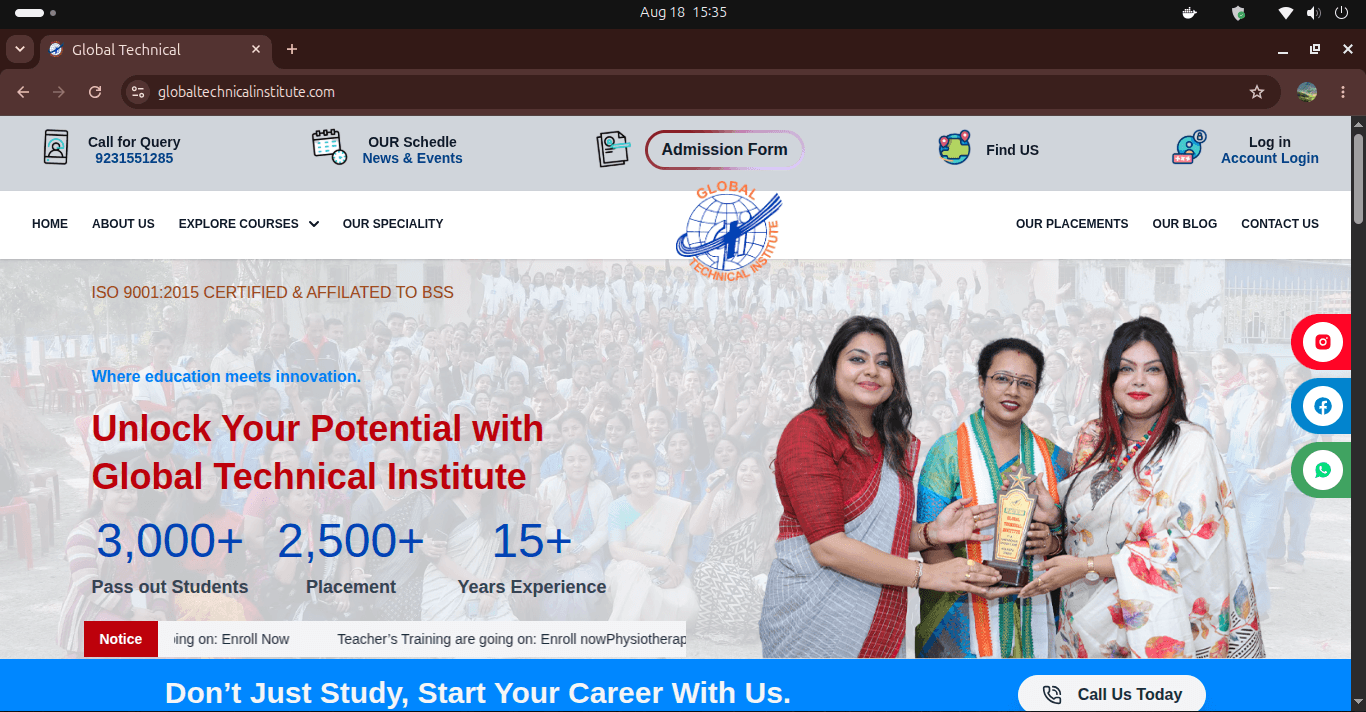
Global Technical Institute ran admissions on paper files and scattered Excel sheets. Enquiries, counselling notes, documents and fee records lived in different places, so nobody could say where an applicant stood or how the institute was performing without hours of manual checking.
We built a custom CRM that holds the entire admission journey in one system — enquiry capture, counselling stages, document uploads and follow-up reminders — paired with a fast Next.js website. An advanced reporting layer sits on top, breaking down admissions, course-wise intake and fee collection. Staff stopped rebuilding the same data by hand, every applicant is traceable at a glance, and management can analyse admissions and revenue from live reports instead of guesswork.
 Travel & Adventure
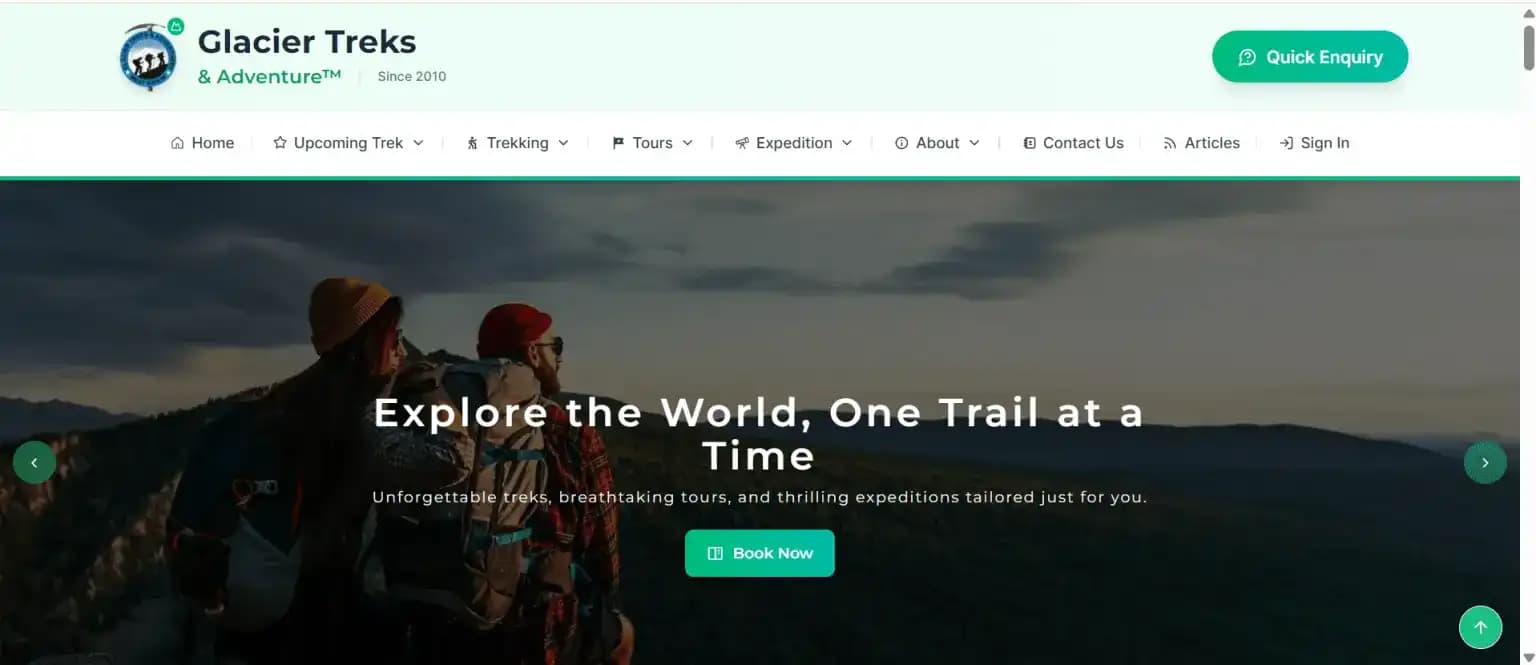
Glacier Treks & Adventure needed a fast, modern website to showcase trek packages and convert interested travelers into bookings. Their earlier platform was slow and did not effectively highlight routes, itineraries, or booking details.
A dynamic Next.js website improved loading speed, visuals, and navigation so users could browse treks effortlessly. Clear itineraries, photography, and inquiry paths strengthened the experience. Engagement improved, booking requests increased, and the brand is now positioned as a reliable trekking service provider.
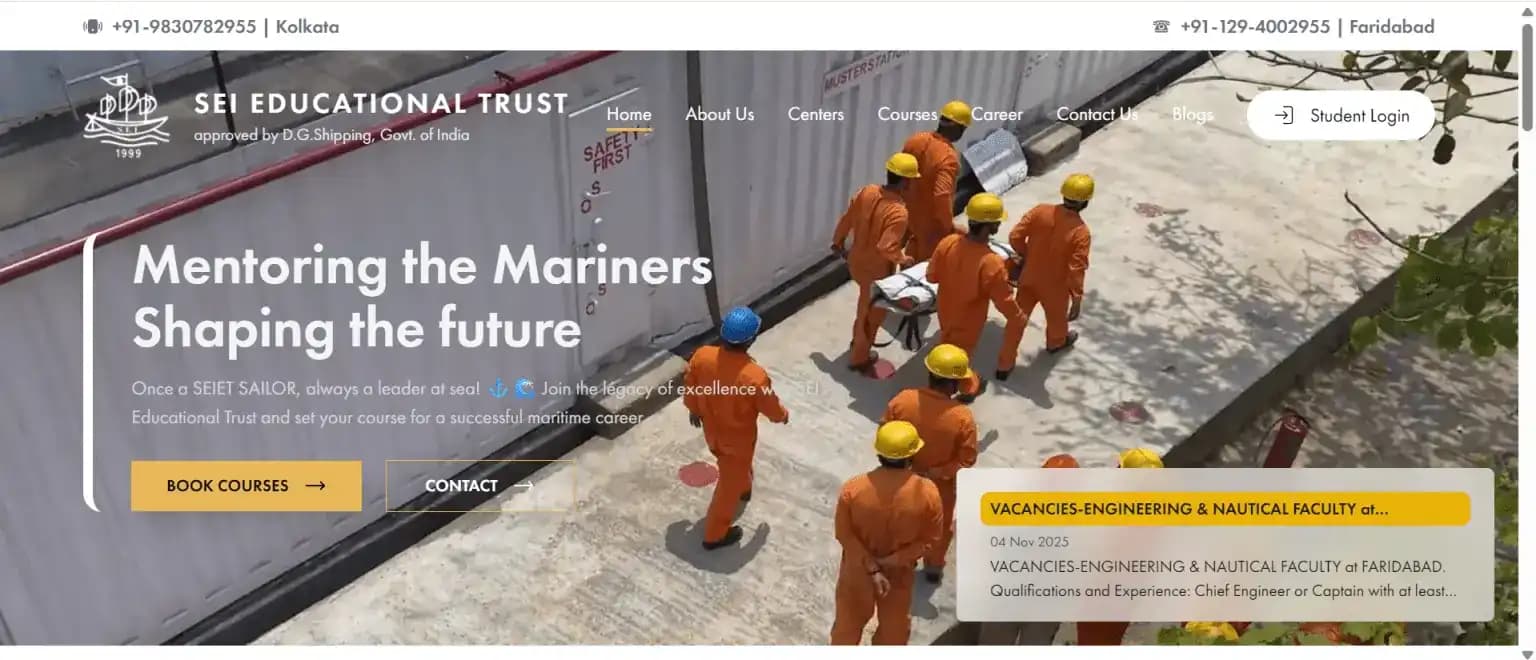 Education
SEI Educational Trust needed a streamlined digital system to manage student inquiries and present their courses professionally. Their previous setup lacked speed, structure, and proper lead management.
A high-performance Next.js website improved navigation, course discovery, and the application flow. A custom CRM automated lead tracking, counseling stages, document uploads, and follow-up reminders. The integration reduced manual workload, increased response speed, and created a smooth end-to-end admission journey — resulting in more completed applications and improved enrollment efficiency.
Tell us what is slowing the business down. We will map the fix before you commit to anything.
Copyright © 2026 OMM Digital Solution Pvt. Ltd.